When is it time for memory care? Start exploring when a person living with dementia needs more supervision, daily support or a suitable environment than the current arrangement can reliably provide. The decision should reflect the person’s needs, preferences and professional assessment, rather than a diagnosis alone or a single difficult day.
For a family in Greeley, the next step may be a conversation, a care assessment or a visit to a community. Learning about memory care at Greeley Village does not commit your family to a move. It gives you information before a decision becomes urgent.
Look at patterns in daily life, not a checklist score
A useful starting point is to describe what happens during an ordinary week. What can your loved one do comfortably? Where is help needed? When is the current plan stretched? The Alzheimer’s Association’s residential care guidance encourages families to consider safety, the person’s care needs, caregiver well-being and the potential value of structure and social connection.
Safety and supervision needs are changing
Discuss recurring situations that require someone to step in, such as difficulty finding the way home, unsafe appliance use or needing supervision at times when nobody is available. Record what happened and the support provided. Bring those observations to the person’s health care professional and to any prospective care community.
Everyday routines need more reliable support
Consider how meals, personal care, medications and the rhythm of the day are managed. A family may be able to organize some tasks but struggle to maintain consistent help across mornings, evenings and overnight. The question is what support is actually available, including a backup when the usual caregiver cannot be there.
The family care arrangement is becoming difficult to sustain
Include the caregiver’s health, sleep, physical ability and other responsibilities in the conversation. Asking for support is part of planning care. It can help to separate what the family wants to provide from what family members can safely and consistently do.
Sudden confusion needs immediate medical attention. A sudden change should not simply be treated as a sign that a move is due. The NHS guidance on sudden confusion explains why prompt medical help matters. This article is a planning resource, not a diagnosis or an individual placement recommendation.
Assisted living or memory care: which conversation should you start?
Care labels do not tell you everything about a community’s capabilities. Ask how the available support matches this person today and what would happen if those needs changed. The National Institute on Aging’s guide to residential care explains the different kinds of settings families may encounter.
| Family question | What to clarify |
|---|---|
| Is the main need help with everyday tasks? | Explore the assistance available with personal routines and the limits of that support. |
| Are memory changes affecting supervision or the daily environment? | Ask about dementia-specific staff preparation, routines, spaces and individualized support. |
| Are there medical needs beyond the community’s services? | Discuss those needs with the treating professional and ask each community what it can and cannot provide. |
At Greeley Village, families can explore both assisted living and memory care. Ask the team to explain the assessment process and which setting may fit the needs you describe. A tour is a chance to ask questions, not a substitute for a care assessment.
A practical family checklist before the first conversation
Use these prompts to organize a shared conversation. They are not a screening test and do not produce a placement score.
- Describe a typical day: note routines your loved one enjoys and the help already in place.
- Write down specific concerns: include the date, situation, response and whether the same concern has occurred again.
- Map current support: identify who helps, when they are available and who provides backup.
- Include the person’s preferences: discuss familiar surroundings, meaningful activities, privacy, relationships and cultural needs.
- Prepare for an assessment: ask what information is required and how health care professionals and authorized family members can participate.
- Agree on the next step: choose a conversation or visit, identify who will organize it and set a date to review what you learned.
For example, replace “things are getting harder” with a clear account of the task, the help needed and the times that help is missing. This makes it easier for everyone to discuss the same situation without blaming the person or the caregiver.
Make a memory care visit about your loved one’s actual day
Bring two or three everyday situations you want the team to explain. Ask how the community would learn about the resident’s history, communicate with family and review a support plan. The Alzheimer’s Foundation of America’s community questions provide another starting point for comparing providers.
- How are individual routines and interests included in the care plan?
- What dementia-specific preparation do staff receive, and how is support coordinated across shifts?
- How are changes in a resident’s needs discussed with the family?
- What services are available on site, and which require an outside provider?
- How are families involved before a move and during the adjustment period?
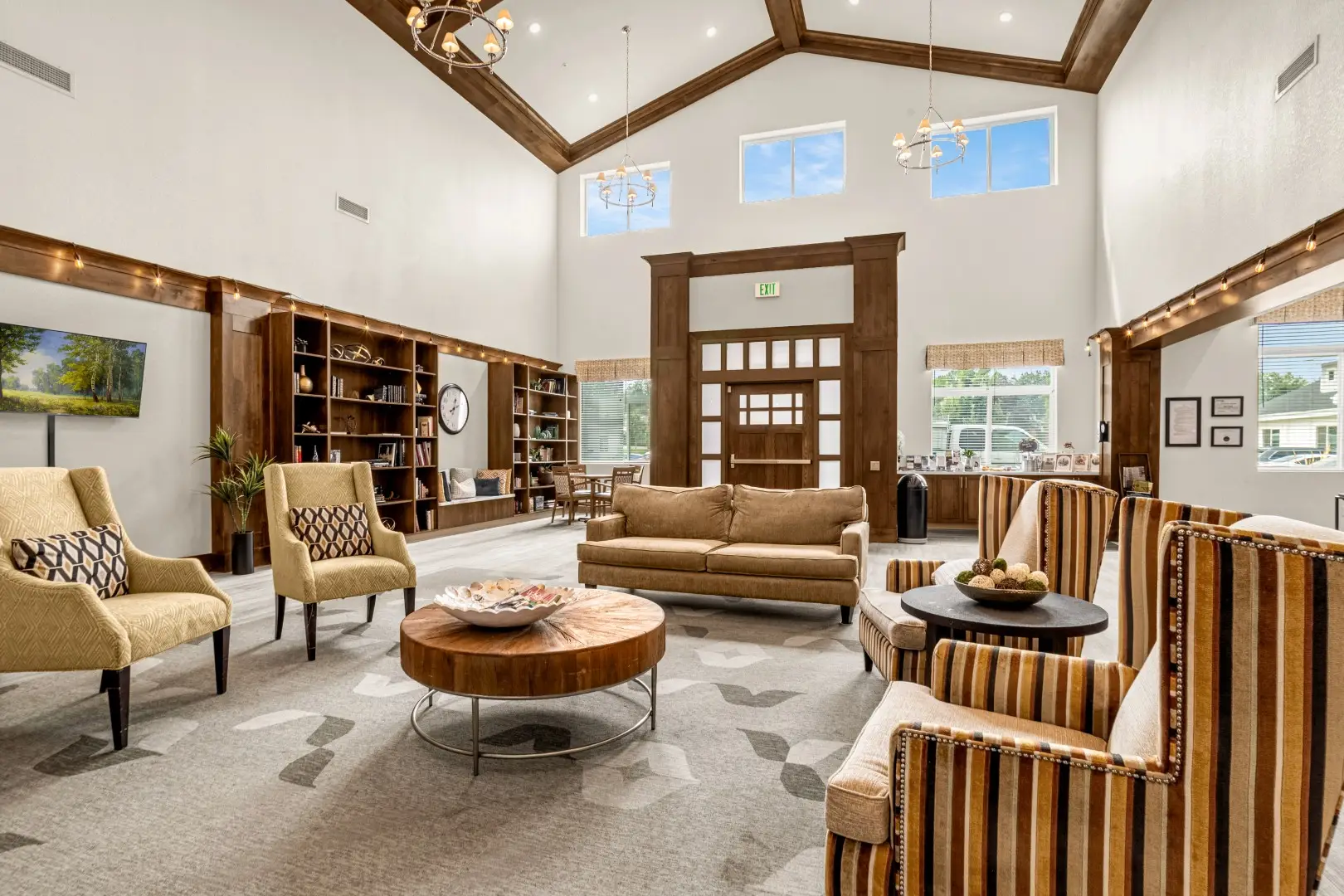
Review daily life in Greeley Village’s memory care neighborhood, the activity calendars and the apartment floorplans before your visit. Ask how those spaces and activities could fit the person you know.
Planning earlier gives your family more time to compare
You do not need to settle every question in one meeting. A useful first conversation should leave you with a clearer understanding of the assessment process, available services, current availability and the next step. Families in Greeley and nearby Northern Colorado communities can also consult the Weld County HelpSource resource guide for local support options.
If you are comparing service arrangements as well as care needs, our guide to assisted living costs in Greeley explains what to ask about included services and how to request a personalized quote.
Common questions about when to consider memory care
Does a dementia diagnosis automatically mean someone needs memory care?
No. A diagnosis alone does not determine the right living arrangement. Discuss daily functioning, supervision, preferences and available support with the person’s health care professional and a prospective community.
Can we visit before we are ready for a move?
Yes. Contact Greeley Village to arrange a conversation or tour, explain where your family is in the planning process and ask what information would make a visit useful.
What if we are unsure whether assisted living or memory care is appropriate?
Describe the help currently needed and ask about the assessment process, the differences between the available settings and any limits on the care the community provides.
How do we discuss the next step without making the decision feel rushed?
Start with the person’s priorities, share specific observations and agree on a manageable next step, such as asking questions together. Keep the discussion open as needs and preferences evolve.
Prepared by Greeley Village as a family planning guide. Individual care needs require professional assessment. For more community information, see the assisted living and memory care FAQs.